Finance Minister Calls For Stronger Evidence-Based Statistics to Support Uganda’s Development Agenda
The Minister of Finance, Planning and Economic Development, Hon. Henry Musasizi, has called on the Uganda Bureau of Statistics (UBOS) to strengthen the production and use of credible statistics to guide national planning, budgeting, policy formulation, and monitoring of development outcomes.
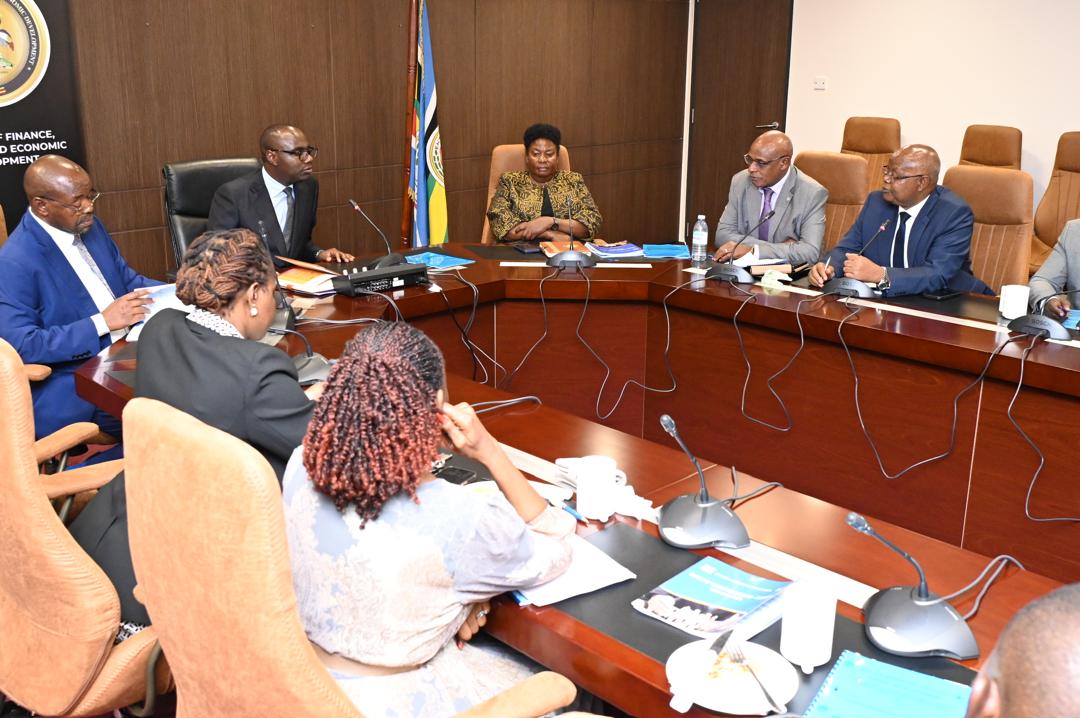
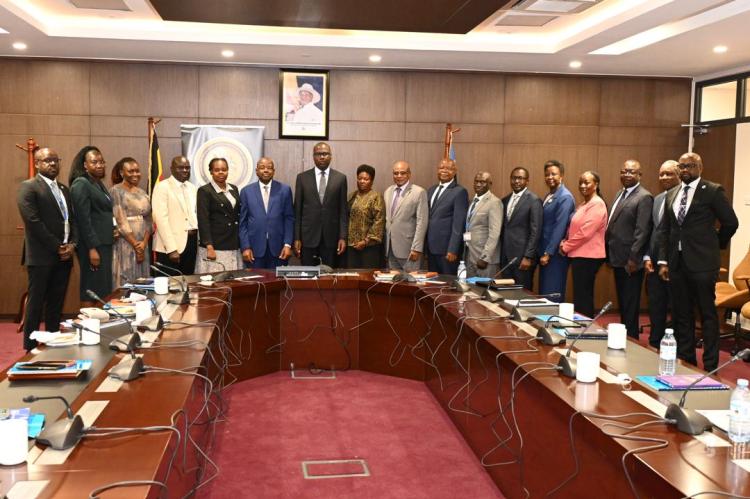
The Minister, together with the State Minister for Planning, Hon. Amos Lugoloobi, and the State Minister for General Duties, Hon. Cissy Mulondo, made the remarks during a briefing by the UBOS Board of Directors on the Bureau’s performance, achievements, strategic priorities, and future interventions.
Hon. Musasizi commended the UBOS Board, Executive Director, and Management for their continued efforts in providing timely and reliable official statistics that support informed decision-making and Uganda’s socio-economic transformation. He emphasized the need for Ministries, Departments, and Agencies (MDAs) to establish and strengthen functional statistics units to improve planning, implementation, monitoring, and evaluation of government programmes.
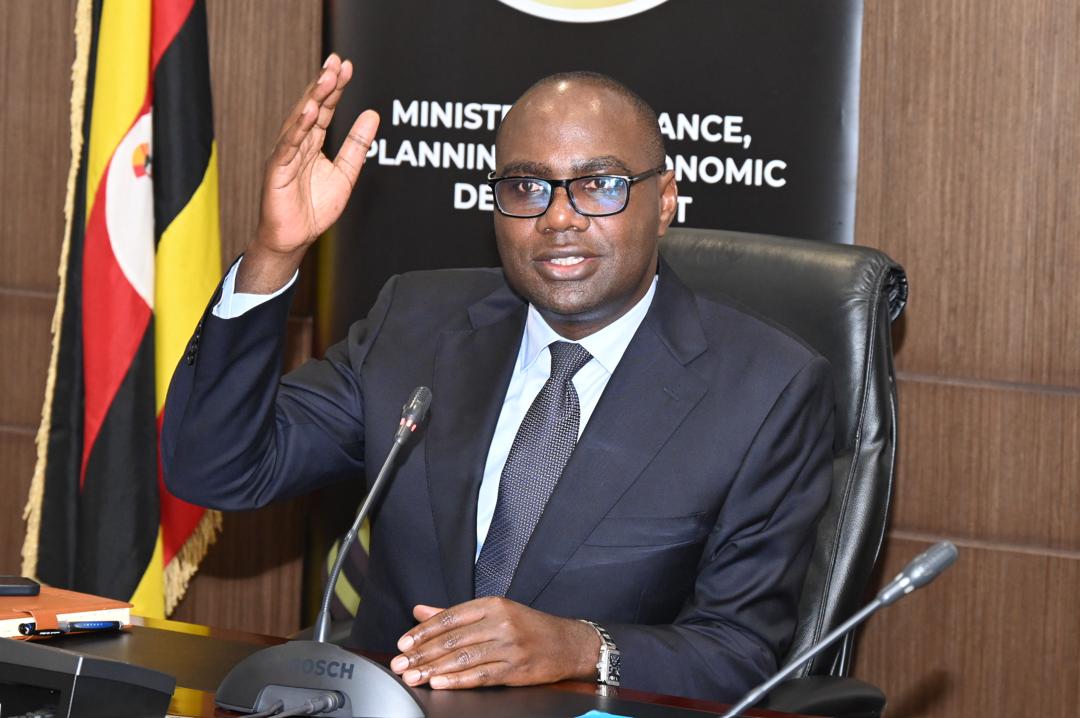
The Minister further called for stronger coordination between UBOS and Ministry of Finance, particularly in budget processes and administrative decision-making. He encouraged effective stakeholder engagement to ensure that statistical releases and reports are well coordinated while maintaining the independence and professionalism of official statistics.
He applauded UBOS for key achievements, including the successful implementation of Uganda’s first fully digital National Population and Housing Census in 2024, as well as the adoption of digital technologies, data science, big data analytics, and innovation to modernize statistical production. He reaffirmed Government’s commitment to strengthening the National Statistical System and ensuring statistics remain central to accountability and development planning.
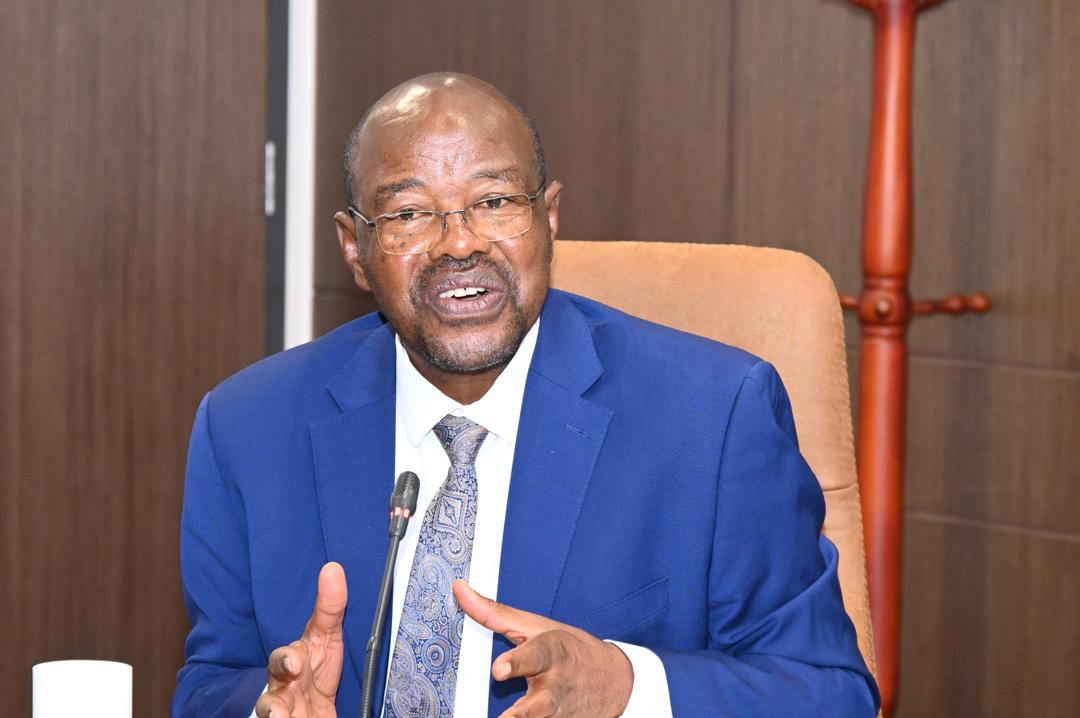
The Chairman of the UBOS Board of Directors, Dr. Albert Byamugisha, reaffirmed the Bureau’s commitment to producing high-quality statistics that support national transformation. He noted that UBOS, established under the Uganda Bureau of Statistics Act, 1998, continues to coordinate the National Statistical System by bringing together Government institutions, private sector actors, academia, civil society, and development partners under common statistical standards.
Dr. Byamugisha highlighted UBOS achievements, including improved statistical capacity across Ministries, Departments and Agencies, enhanced administrative data systems, increased accessibility of official statistics through digital platforms, and strengthened coordination through the Plan for National Statistics Development (PNSD), aligned with the National Development Plan.
He noted that the UBOS Strategic Plan 2025/26–2029/30, themed “Innovating, Modernising and Transforming Statistical Services,” seeks to position Uganda as a regional centre of excellence by strengthening statistical production, communication, coordination, and capacity development.
The Chairman emphasized that the focus has shifted beyond producing statistics to ensuring their effective application in planning, budgeting, policy development, and performance monitoring. He also highlighted plans to continue establishing regional offices to improve data collection, strengthen Local Government capacity, and enhance the use of statistics in service delivery and tracking national development priorities.
The engagement reaffirmed Government and UBOS’ shared commitment to ensuring that accurate, timely, and accessible statistics continue to drive evidence-based decisions and sustainable development in Uganda.