Germany Commits €50M Grant to Uganda For Development Projects
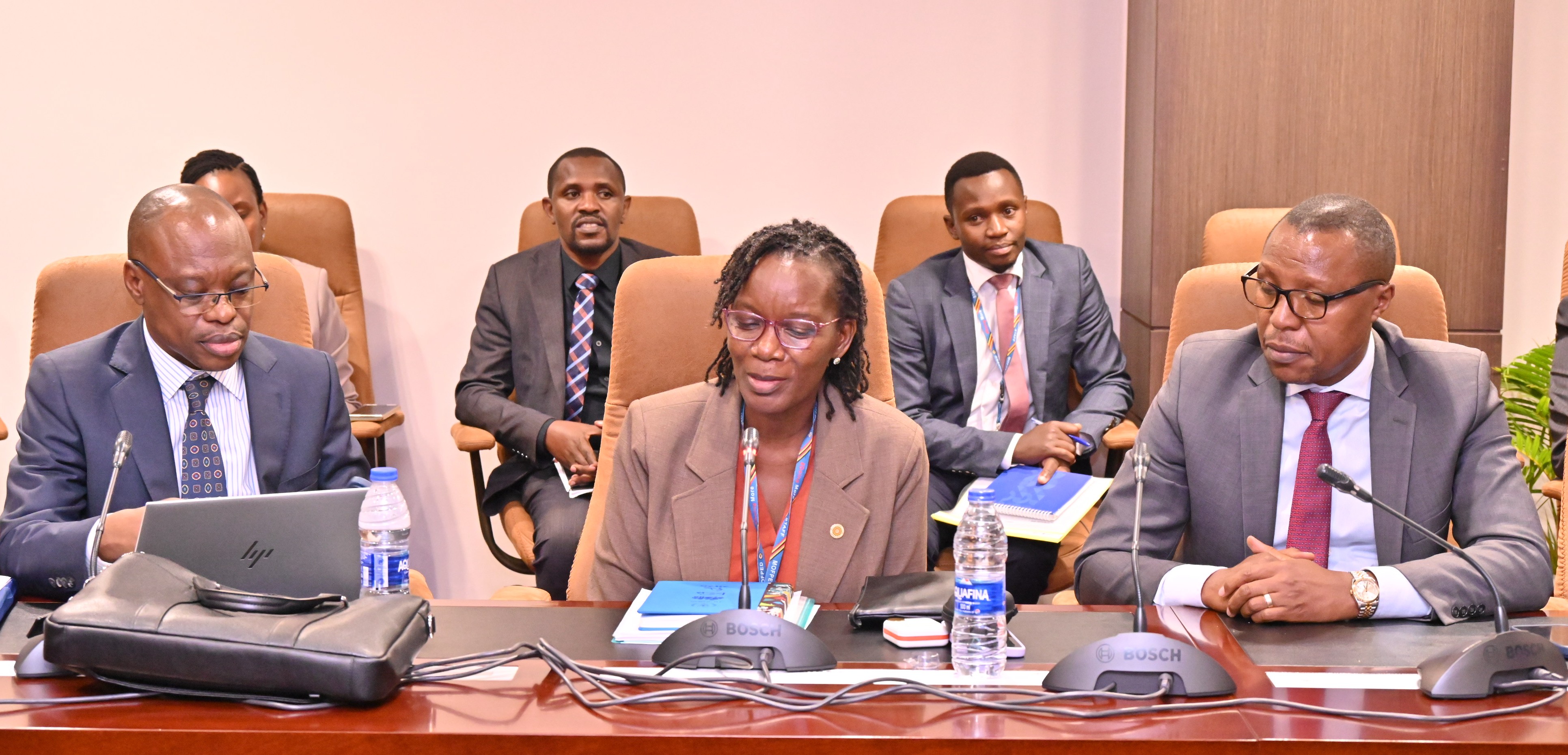
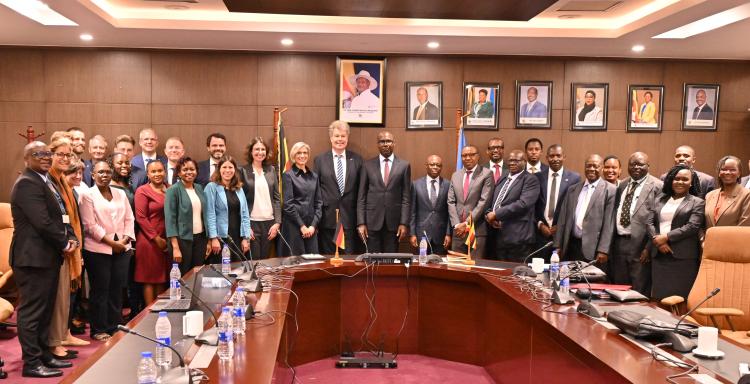
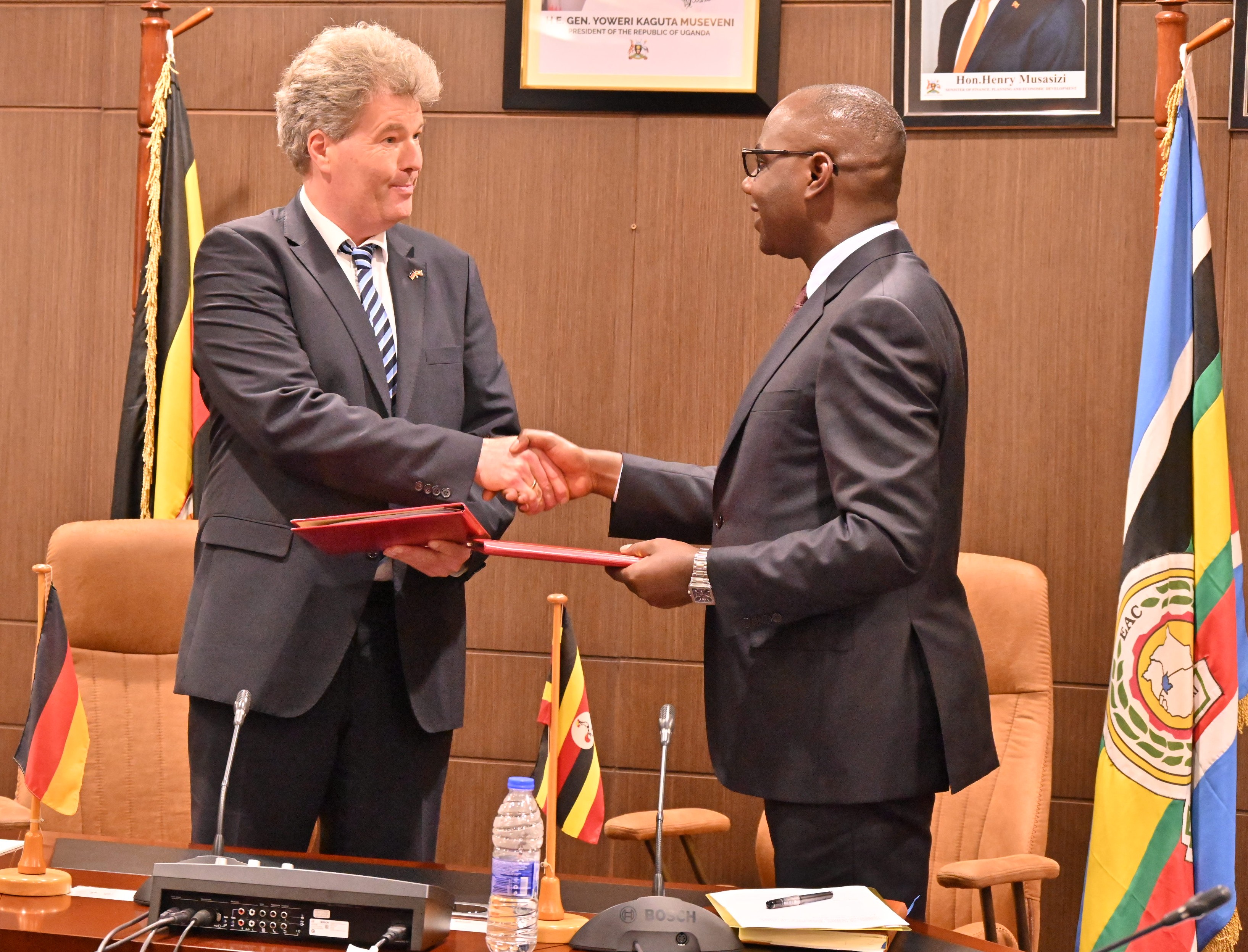
Germany has committed €50 million in grants to Uganda to support development interventions in water, electricity, agribusiness, local economic development and refugee-hosting communities, following the conclusion of two days of Government-to-Government negotiations in Kampala on November 3, 2026.
The commitment comprises €30 million in Financial Cooperation and €20 million in Technical Cooperation, reinforcing a bilateral partnership spanning more than 60 years.
Of the new support, €35 million (70%) will go towards water and electricity, while €10 million (20%) will support agribusiness and local economies. The remaining €5 million will support refugee participation and host communities, among other areas.
The Finance Minister Hon. Henry Musasizi, said the interventions are aligned with Uganda's National Development Plan IV and Tenfold Growth Strategy, which aims to grow the economy to US$500 billion by 2040 through Agro-Industrialisation, Tourism, Minerals, and Science, Technology and Innovation (ATMS).
“We appreciate this support. It comes at a time when resources for overseas development support are under pressure across Europe given the on-going global challenges,” Musasizi said.
He welcomed the €35 million allocation to water and electricity, describing these as important enablers of the ATMS agenda. He also called on German investors to explore opportunities in production, processing, exports and skilled job creation, proposing structured engagements to identify bankable investment opportunities.
The negotiations also identified €18 million for the electrification of West Nile, which is expected to serve enterprises and farms in a region that trades with eastern Democratic Republic of the Congo and South Sudan. Musasizi further asked Germany to support Uganda's efforts to mobilise financing for railway development, irrigation and electricity through the World Bank, African Development Bank and other multilateral institutions.
The Head of the German Delegation, Joachim Schmitt, who also heads the Central and East Africa Division at Germany's Federal Ministry for Economic Cooperation and Development, said the cooperation would support Uganda's ambition to graduate from Least Developed Country (LDC) status.
“Our development cooperation will actively support this strategy, while being fully aligned to the Ugandan Vision 2040, its '10th-fold growth strategy', including the ATMS priorities, as well as the 'National Development Plan IV',” Schmitt said.
He emphasised increased participation of Ugandan, German and European enterprises in unlocking economic potential, creating jobs and supporting Uganda's development. He also commended Uganda's refugee-hosting policies, reaffirming Germany's continued focus on West Nile and support for refugees and host communities.
German Ambassador to Uganda, H.E. Sigrid Sommer, said the new commitments build on more than six decades of cooperation that have delivered tangible results. “With these additional bilateral commitments, Germany remains a strong partner of Uganda and its people.”
Sommer said the outcome of the negotiations provides a basis for development cooperation over the next two years, aligned with Uganda's strategies and priorities. She noted that Germany accounts for nearly 25% of EU funding and reaffirmed her country's commitment to supporting Uganda alongside partners, including GIZ and KfW.
She emphasised that development cooperation, trade and investment are complementary parts of the partnership, adding that Germany committed to presenting business opportunities to enhance trade and investment with Uganda.